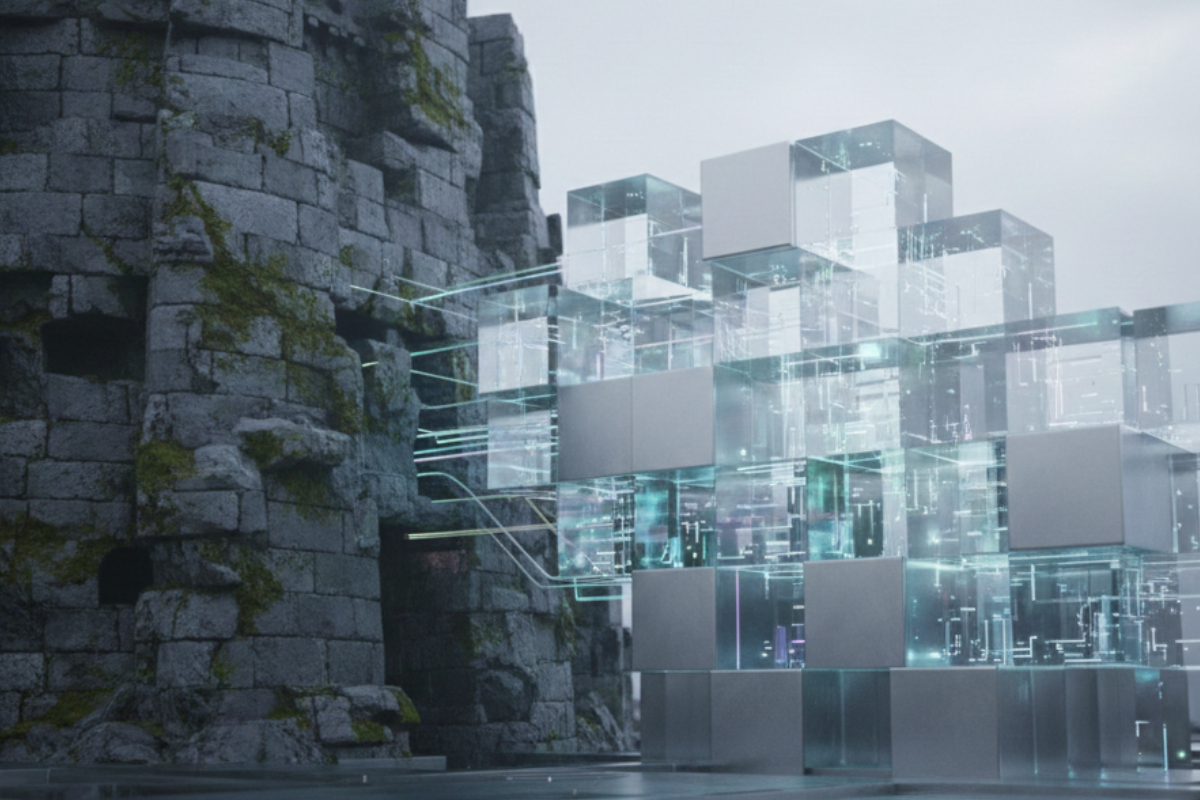

Strategies for modernizing legacy monolithic applications are essential for organizations seeking improved scalability, maintainability, and operational efficiency. Many legacy systems are tightly coupled, which makes updates slow, risky, and resource-intensive. For instance, a small feature request can take weeks to implement because a single change may ripple across the entire system. Modernization allows teams to adopt modular architectures, streamline development, and respond quickly to business needs. Understanding practical approaches helps organizations transform monolithic applications into more agile, robust, and future-ready systems.
Organizations that ignore modernization often face slower release cycles, increased downtime, and difficulty integrating modern technologies. By addressing these challenges proactively, teams can create software that supports growth and innovation.
Strategies For Modernizing Legacy Monolithic Applications: Key Points to Consider
Modernizing a legacy monolith may seem complex, but it becomes manageable when broken into structured steps. The following points outline the essential focus areas for a successful modernization journey:
- Evaluate and redesign system architecture to enable modularity.
- Implement scalable platforms and infrastructure for growth and resilience.
- Manage microservices traffic efficiently to maintain performance.
- Adopt modern development practices, including CI/CD and automated testing.
- Ensure security and compliance throughout the modernization process.
These points provide a roadmap for teams to prioritize and sequence modernization efforts effectively. By following this approach, organizations can avoid common pitfalls and achieve measurable improvements early in the process.
Understanding Legacy Monolithic Applications
Legacy monolithic applications often form the backbone of critical operations, yet they carry limitations that impede innovation. These systems combine all functions into a single codebase, making updates complicated and high-risk. Understanding the structure and challenges of monoliths is essential before attempting modernization.
Common Challenges in Monolithic Systems
Monolithic applications are tightly coupled, meaning changes in one module can unexpectedly affect other parts of the system. Scaling requires significant resources, and integrating modern tools is often difficult. Many teams struggle with slow release cycles, growing technical debt, and inflexible architecture. For example, adding a new payment feature might require coordination across multiple departments, delaying deployment and testing.
Why Modernization Is Critical
Without modernization, organizations risk stagnation and higher operational costs. Legacy systems can limit agility and reduce competitiveness. Modernization improves maintainability, accelerates release cycles, and allows organizations to adopt cloud-native platforms, containerization, and automation. Ultimately, modernization ensures systems remain reliable, adaptable, and aligned with evolving business needs.
Key Strategies for Modernizing Legacy Monolithic Applications
Implementing structured strategies for modernizing legacy monolithic applications ensures teams address both technical and operational aspects.
Evaluate and Redesign Architecture
Breaking monolithic systems into smaller, independent modules is often the first step. Adopting decoupled system design principles enables teams to incrementally separate tightly coupled components. This approach improves maintainability and allows more frequent releases. For example, a reporting module can be refactored into a standalone service without disrupting core business operations. Pilot projects validate architectural decisions before full-scale implementation.
Implement Scalable Platforms and Infrastructure
Modernized applications rely on platforms that support growth and flexibility. Using scalable platform strategies ensures systems can handle increased traffic and continuous deployment. Containerization, Kubernetes, and cloud-based services streamline deployments and reduce downtime. Platforms that support automated pipelines also maintain consistency, improve resource utilization, and enable faster innovation.
Manage Microservices Traffic and Operations
Transitioning to a microservices architecture introduces operational complexity. Effective microservices traffic management prevents bottlenecks, ensures reliability, and improves user experience. Tools for routing, monitoring, and scaling services help teams maintain performance during migration. For instance, a sudden surge in user requests can be handled gracefully if service traffic is balanced correctly, avoiding outages.
Adopt Modern Development Practices
Modernization also requires updating workflows and team practices. Continuous integration and delivery, automated testing, and DevOps culture promote faster iteration and higher quality releases. Automated pipelines reduce errors, enforce coding standards, and improve collaboration. A culture that encourages frequent feedback and cross-team collaboration ensures sustainable modernization.
Ensure Security and Compliance During Modernization
Legacy systems may use outdated security controls, making them vulnerable to threats. Updating access controls, performing audits, and following regulatory standards protects data while enabling new integrations. Incorporating security into modernization reduces risk and ensures compliance with frameworks such as NIST or ISO standards.
Practical Steps to Plan and Execute Modernization
A clear roadmap ensures strategies for modernizing legacy monolithic applications are executed efficiently.
Assess Existing Systems and Dependencies
Evaluate the current system and identify critical modules, dependencies, and technical debt. Mapping out these relationships helps teams plan updates without disrupting operations. A thorough assessment highlights risks and sets realistic priorities for modernization.
Prioritize Components for Modernization
Start with high-impact modules that frequently change or are performance-critical. Addressing these first provides early wins and demonstrates tangible benefits to stakeholders. For example, updating a customer-facing API can immediately improve user experience and reduce support tickets.
Incremental Migration and Refactoring
Gradual migration reduces risk and allows teams to monitor performance after each change. Modularization, microservices, or hybrid approaches can be piloted in small segments. Observing behavior, gathering metrics, and iterating ensure a smoother transition and reduce operational surprises.
Leveraging Observability and Monitoring in Modernization
Modernization is not only about code and architecture; observability and monitoring are essential for ensuring stability and performance. Incorporating these practices early allows teams to detect issues, optimize systems, and validate modernization strategies.
Implementing Real-Time Monitoring
Real-time monitoring tracks system performance, error rates, and user activity. Tools like Prometheus or Grafana enable teams to identify bottlenecks quickly. For example, a sudden spike in requests to an authentication service can be addressed before affecting users, reducing downtime and improving reliability.
Observability for Improved Decision-Making
Observability provides deep insights into system behavior. Logging, tracing, and metrics reveal hidden dependencies and inefficiencies. Understanding these interactions guides decisions during modularization or microservices decomposition, helping teams avoid unintended consequences.
Feedback Loops for Continuous Improvement
Feedback loops allow teams to measure the impact of changes and iterate effectively. Dashboards, automated alerts, and reporting tools help maintain stability while evolving system components. Regularly analyzing this data ensures modernization efforts remain aligned with business goals.
Operational and Cultural Considerations for Modernization
Beyond technical aspects, cultural and operational factors influence success. Training, documentation, and effective communication support modernization. Teams must adapt to new workflows, embrace collaborative practices, and prioritize long-term maintainability.
For a deeper understanding, reviewing monolithic application architecture provides valuable context. Knowing how these systems operate helps teams make informed decisions and anticipate challenges during modernization.
Strategies For Modernizing Legacy Monolithic Applications: Moving Forward
Modernizing legacy monolithic applications combines technical expertise with structured planning. Applying architectural redesign, scalable platforms, traffic management, and modern development practices ensures smoother transitions. Integrating lessons from decoupled system design, scalable platform strategies, and microservices traffic management strengthens outcomes. Observability and continuous feedback further enhance reliability and stability. By following these strategies, organizations achieve improved agility, maintainability, and resilience, preparing systems for future demands and growth.