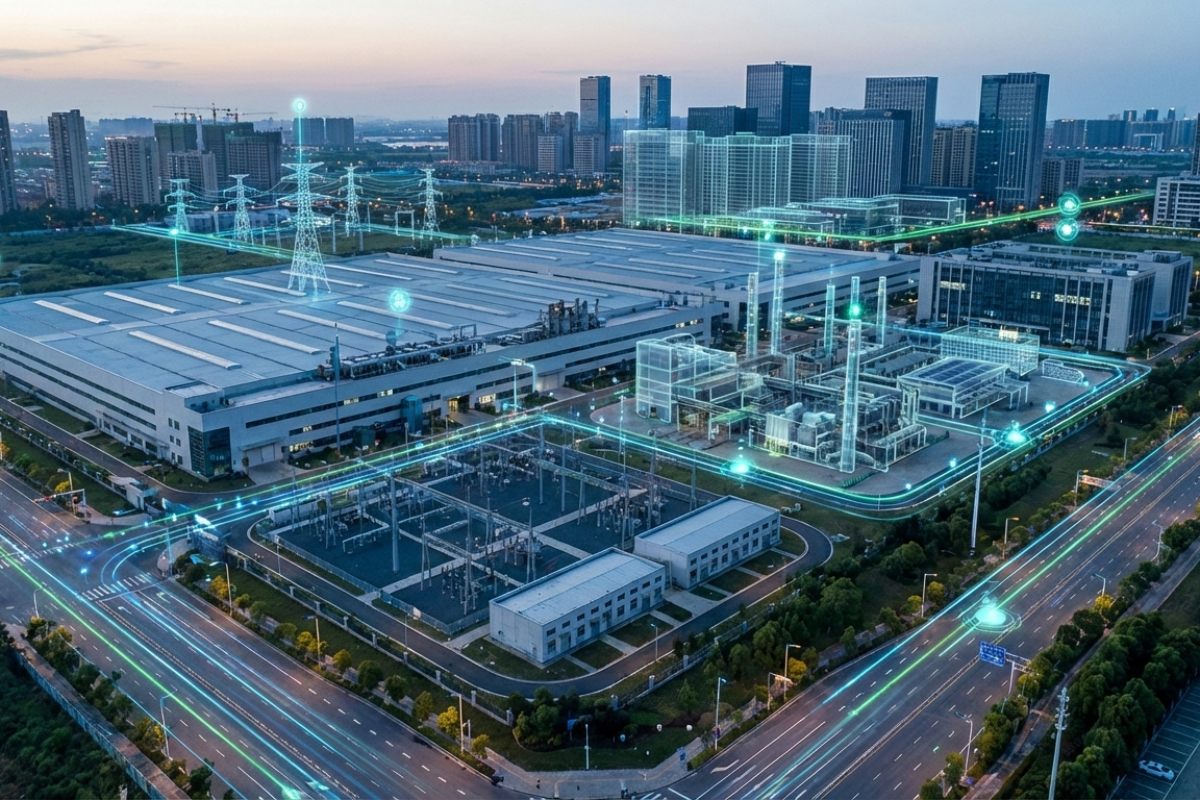

In today’s engineering world, using digital twins to simulate complex system behaviors is transforming how organizations design, monitor, and optimize complex systems. Digital twins create virtual replicas of physical assets, allowing engineers to test scenarios, predict outcomes, and prevent failures before they occur. This approach saves time, reduces costs, and improves overall system reliability. By bridging the gap between models and real-world applications, digital twins provide teams with a detailed understanding of system interactions. Engineers and decision-makers increasingly rely on this technology to make informed, proactive choices and drive innovation.
Understanding digital twins’ benefits, applications, and challenges helps organizations implement them effectively. Before diving deeper into practical approaches, it is useful to outline the key points this article will explore.
Unlocking the Power of Using Digital Twins to Simulate Complex System Behaviors
Digital twins are powerful tools that allow teams to simulate system operations under different conditions. Using digital twins to simulate complex system behaviors helps organizations anticipate potential problems, optimize performance, and improve safety. Their dynamic nature means they can continuously update as new data arrives, providing a living model of the system that evolves with operational changes. Companies can evaluate system behavior under stress or predict future performance without risking actual assets, which is a critical advantage for complex industries like aerospace, automotive, and energy.
As adoption grows, organizations are integrating digital twins across multiple departments and processes. From maintenance planning to design testing, digital twins offer actionable insights that inform decision-making across engineering teams. Their ability to visualize system interactions before implementation fosters collaboration and reduces costly errors, ensuring smoother operations.
Highlights of using digital twins to simulate complex system behaviors include:
- Accelerated system design and testing without physical risk
- Predictive maintenance and optimized performance
- Enhanced collaboration between teams and stakeholders
- Insights into distributed and edge systems
- Integration with AI-driven engineering workflows for automated analysis
These advantages illustrate why using digital twins to simulate complex system behaviors has become a strategic asset for modern engineering organizations.
Understanding Digital Twins in Complex Systems
Digital twins go beyond static models; they are live simulations connected to real-world data. Using digital twins to simulate complex system behaviors allows engineers to track system performance, test changes, and evaluate outcomes in a controlled virtual environment. For example, in manufacturing, a digital twin of a production line can simulate throughput under varying loads, helping engineers optimize efficiency while avoiding potential bottlenecks.
The adoption of digital twins often includes integrating model-based systems engineering principles to create more accurate and scalable simulations. By applying these frameworks, engineers ensure the virtual system closely mirrors the physical one, capturing nuances and dependencies that might otherwise be overlooked. This approach strengthens decision-making and supports long-term system reliability.
Key Benefits of Using Digital Twins
Digital twins deliver measurable improvements across operations, helping organizations predict failures, optimize performance, and foster collaboration. By creating virtual simulations, teams can evaluate scenarios without risk to real systems. The benefits extend from maintenance planning to cross-team coordination, making digital twins valuable for complex engineering environments.
Predictive maintenance
Digital twins support predictive maintenance, reduce downtime, and improve overall system resilience. For instance, an industrial plant can simulate machinery under extreme conditions, anticipating failures before they occur. This allows organizations to plan maintenance proactively and allocate resources efficiently, avoiding costly interruptions.
Enhanced collaboration
Digital twins also foster better collaboration between teams and stakeholders. By visualizing complex interactions, engineers, managers, and operators can work together to refine designs, adjust processes, and align goals. This collaborative approach reduces errors, builds confidence, and ensures smoother operations across departments.
Applications Across Industries
Digital twins are applied in aerospace, automotive, energy, and manufacturing. Automotive engineers, for instance, use digital twins to simulate vehicle behavior in crash tests, ensuring safety without destructive experiments. Energy companies employ them to optimize smart grids, balancing electricity loads in real time and preventing outages.
In distributed environments, reliable network edge systems benefit from digital twins by simulating performance and reliability before deployment. This is particularly important for edge computing applications, where decentralized systems require continuous monitoring and optimization. Digital twins allow teams to test these scenarios virtually, ensuring resilience and efficiency.
Beyond industrial applications, digital twins also play a role in urban planning, healthcare, and logistics, demonstrating their versatility and broad relevance.
Building Effective Digital Twin Models
Creating a digital twin requires several key steps. First, engineers develop an accurate model of the physical system, reflecting all critical components and interactions. Sensors then feed real-time data into the virtual model, updating it continuously to reflect actual performance. Simulation software enables teams to run various scenarios, test designs, and predict potential failures.
Using digital twins becomes more impactful when paired with AI-driven engineering workflows. AI can analyze simulation results, identify patterns, and recommend optimizations automatically. This reduces manual effort, accelerates insights, and allows engineers to focus on strategic decisions.
Using Digital Twins for Predictive Analysis
Predictive analysis allows engineers to forecast equipment failures, optimize production processes, and enhance system resilience. For example, manufacturers can determine when machinery will require maintenance, avoiding costly downtime.
By applying predictive insights, organizations can make proactive improvements and reduce risks. Integrating AI with digital twins ensures that predictions are accurate, actionable, and continuously refined as conditions change.
Challenges and Considerations
Digital twins are powerful but come with challenges. Accurate data collection is essential; unreliable sensor data can lead to misleading simulations. Integrating digital twins with legacy systems may require significant effort, and computing demands can be high. Security is also critical, as digital replicas of sensitive systems could be targeted by cyberattacks.
Addressing these challenges is key to maximizing the benefits of digital twins and ensuring they deliver reliable insights.
Data Integration and Sensor Accuracy
Digital twins rely on accurate and timely data to provide meaningful insights. Ensuring that sensors and data pipelines deliver reliable information is critical for simulations to reflect real-world conditions accurately. Using digital twins to simulate complex system behaviors without proper data can lead to misguided decisions and reduced system performance.
Real-time Data Collection
Sensors feed digital twins with continuous streams of data, creating a living model that evolves alongside the physical system. Regular calibration, monitoring, and redundancy are necessary to prevent errors or data loss. In high-stakes industries like aerospace or energy, even minor inaccuracies can have significant consequences.
Ensuring Accurate Simulations
Model fidelity and precise data integration are crucial. Engineers validate digital twin outputs against real-world measurements, adjusting models as necessary. This iterative process ensures that simulations remain trustworthy and actionable for operational decisions.
Scaling Digital Twins Across Enterprises
Implementing digital twins at scale requires careful planning and infrastructure. Scaling allows organizations to model multiple systems, optimize workflows, and gain a holistic view of operations. Using digital twins to simulate complex system behaviors at scale provides insights that are critical for enterprise-wide decision-making.
Multi-system Integration
Large organizations often have multiple interconnected systems. Digital twins can integrate these systems, simulating interactions and identifying inefficiencies or conflicts before they affect operations. This broader perspective improves coordination across teams and supports strategic planning.
Cloud and Edge Computing Applications
Cloud and edge computing technologies facilitate the deployment of digital twins across distributed environments. While cloud platforms handle complex simulations, edge computing provides real-time responsiveness for decentralized systems. Scaling digital twins with these technologies ensures accuracy, responsiveness, and enterprise-wide adoption.
Advancing Engineering Insights by Using Digital Twins to Simulate Complex System Behaviors
Using digital twins to simulate complex system behaviors enables organizations to test, predict, and optimize operations confidently. From industrial processes to edge networks, digital twins provide engineers with a clear understanding of complex interactions and dependencies.
For a detailed reference on digital twin concepts and applications, engineers can consult a digital twin technology overview, which outlines real-world implementations and practical examples. By leveraging these tools effectively, organizations can enhance reliability, reduce risk, and drive innovation across their systems.