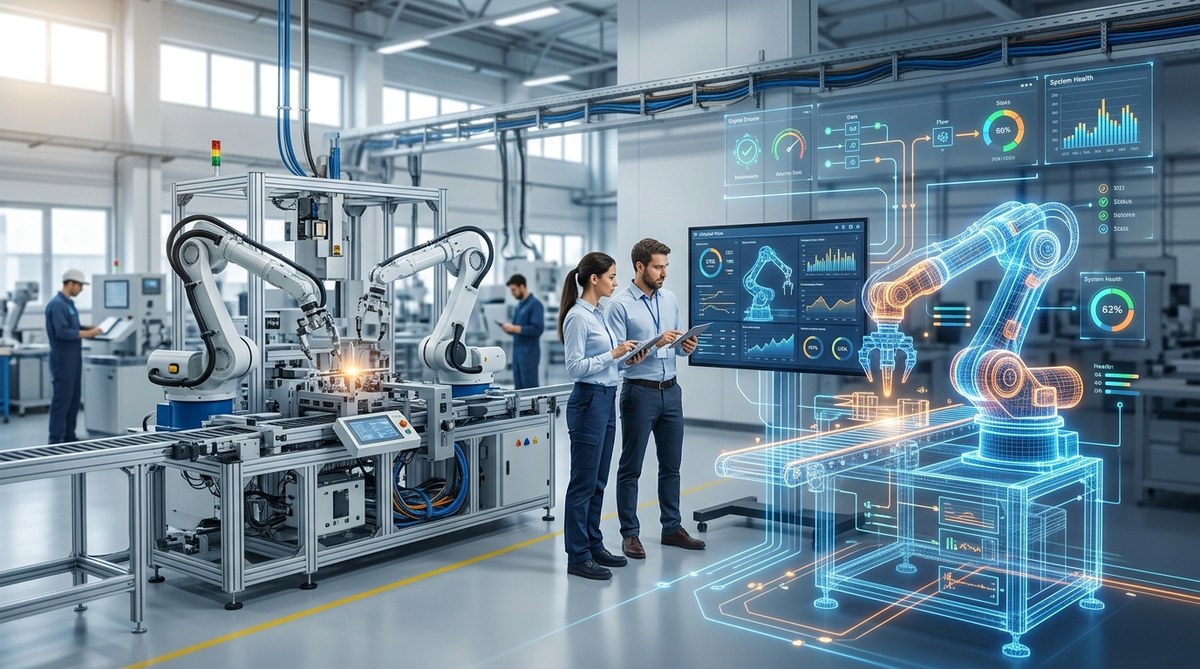

Digital twins are more than a buzzword. They are living, data driven representations of physical assets, processes, or systems that let engineers reason about performance, test changes safely, and optimize operations without risky experiments in the real world. At SSTC Online we explore how digital twins fit into modern systems engineering and integration practices, from data collection and virtual modeling to live data feeds and governance. If you want to improve reliability, speed up decision making, and cut operational costs, a digital twin can become a central tool in your toolkit.
What is a Digital Twin?
A digital twin is a dynamic, virtual representation of a real world object or system. It uses real time or near real time data to mirror the state, behavior, and performance of its physical counterpart. By aligning the digital and physical worlds, engineers can observe how the system behaves under different conditions, run simulations, and forecast outcomes.
Key ideas to keep in mind:
– A digital twin is not a static model. It evolves as new data arrives.
– It supports both monitoring and decision making by providing insights that might be invisible in the field.
– It is most powerful when integrated with a broader digital thread that connects design, production, operation, and maintenance.
How Digital Twins Work
A well rounded digital twin combines data, models, and continuous feedback. Here is how the architecture typically comes together:
Data collection
- Real time feeds from sensors, logs, and telemetry
- Historical data from archives and maintenance records
- Contextual data such as weather, energy prices, or supply chain conditions
Virtual modeling
- A computational model that simulates physics, logic, or processes
- Calibration against observed behavior to ensure accuracy
- Abstractions that collapse complexity without losing critical dynamics
Live data integration
- Streaming data pipelines that push new measurements into the model
- Time synchronized views to compare planned versus actual performance
- Anomaly detection that flags deviations from expected behavior
Analysis, simulation, and informed decision making
- What-if analyses to evaluate potential changes
- Predictive analytics to anticipate failures or bottlenecks
- Decision support tools that translate insights into actions
Together these pieces form a Feedback Loop that continuously improves the fidelity of the digital twin and the operational decisions it informs.
Core Components of a Digital Twin
A practical digital twin comprises several components that work in concert:
- Physical asset or system: the real world object or process being modeled.
- Sensor network and data acquisition: devices and interfaces that collect measurements.
- Data storage and management: databases and data lakes that hold raw and processed information.
- Computational models: physics based, statistical, or machine learning models that simulate behavior.
- Integration layer: connects data streams to models and to downstream applications.
- Visualization and user interface: dashboards and widgets that present insights clearly.
- Governance and security: policies, roles, and controls that protect data and ensure compliant use.
In addition to these, successful digital twins leverage:
– A digital thread that links design intent, engineering data, production inputs, and operational feedback.
– Interoperability standards so data can move freely between tools and teams.
– Scalable cloud and edge computing to support both centralized analysis and local decision making.
Types of Digital Twins
Digital twins can be categorized by the scope of what they represent. The most common archetypes in systems engineering and integration are:
Component twins
- Represent a single component or subsystem
- Focus on unit level behavior, reliability, and performance
- Useful for calibration, testing, and replacement planning
Asset twins
- Encapsulate a collection of components that form an asset
- Provide visibility into asset health, maintenance needs, and utilization
- Support lifecycle management and capital planning
System twins
- Model the interactions of multiple assets working together
- Help optimize orchestration, workflow efficiency, and resilience
- Critical for complex integration projects and system level optimization
Process twins
- Represent the flow of work, materials, or data through a process
- Enable operations research, scheduling, and throughput improvements
- Useful in manufacturing, logistics, and IT workflows
Benefits of Digital Twins
Investing in digital twins yields tangible improvements across several dimensions. Here are the principal benefits:
- Real time visibility: continuous monitoring of performance and health.
- Proactive maintenance: predict failures before they occur, reducing downtime.
- Faster decision making: simulations reveal the impact of choices without risky experiments.
- Improved reliability: better understanding of failure modes leads to robust designs.
- Cost reduction: optimized operations lower energy use, waste, and maintenance costs.
- Lifecycle optimization: support from design through retirement with consistent data and insights.
Some benefits in a nutshell:
– Enhanced performance forecasting and planning
– Safer change testing through virtual experiments
– Better alignment between engineering, operations, and maintenance
– Stronger governance via auditable data trails and traceability
Digital Twin Use Cases Across Industries
Digital twins are adaptable to many domains. Here are representative use cases that demonstrate their value in systems engineering and integration:
- Manufacturing and production
- Real time process monitoring, defect prediction, and energy optimization
-
Production line simulations to evaluate bottlenecks and changeovers
-
Infrastructure and utilities
- Asset health monitoring for critical infrastructure
-
Predictive maintenance on transformers, turbines, and grid components
-
Transportation and mobility
- Vehicle dynamics modeling, fleet optimization, and route planning
-
Traffic and signal optimization with live sensor feeds
-
Healthcare and life sciences
- Simulation of patient flow and resource allocation in hospitals
-
Medical device performance tracking and maintenance planning
-
IT and software systems
- Digital twins of software ecosystems to model performance under load
-
Integration testing environments that mirror production configurations
-
Green software engineering and sustainability
- Modeling energy consumption of software and hardware stacks
- Evaluating greener configurations and deployment strategies
How to Implement a Digital Twin in Systems Engineering and Integration
A practical implementation requires planning, collaboration, and disciplined execution. Here is a structured approach:
Step 1: Define objectives and scope
1) Pinpoint the decision problems you want to improve.
2) Determine which assets, processes, or systems should be twins.
3) Align with stakeholders and establish success metrics.
Step 2: Map data sources and integration points
- Inventory sensors, logs, and external data feeds
- Identify data latency requirements and quality expectations
- Plan the data lineage and provenance for traceability
Step 3: Build the model and calibration strategy
- Choose appropriate modeling techniques (physics based, data driven, or hybrid)
- Establish calibration against observed data
- Define acceptable error bounds and validation procedures
Step 4: Create the data infrastructure
- Set up data storage, streaming pipelines, and processing layers
- Implement data quality checks, governance, and security controls
- Ensure interoperability with existing tools and systems
Step 5: Deploy and integrate with operational workflows
- Connect the twin to dashboards, alarms, and control systems
- Integrate into maintenance planning, operations planning, and decision processes
- Establish a change management plan to keep models aligned with reality
Step 6: Validate, monitor, and iterate
- Continuously compare predictions with reality to refine models
- Track KPIs and adjust strategies as needed
- Schedule regular reviews with cross functional teams
Step 7: Govern data, security, and compliance
- Enforce access controls, encryption, and audit trails
- Define clear data ownership and usage policies
- Align with industry standards and regulatory requirements
Key Considerations and Best Practices
To maximize value and avoid common pitfalls, consider these practical guidelines:
- Start small with a pilot that demonstrates tangible benefits and builds trust
- Focus on data quality and accuracy; a poor twin undermines confidence
- Leverage standards for interoperability to prevent vendor lock-in
- Use a hybrid architecture that balances cloud scalability with edge responsiveness
- Invest in human in the loop processes to validate critical decisions
- Treat the digital twin as a living program, not a one off project
- Align the twin with broader strategic goals such as reliability, cost reduction, and sustainability
Challenges and Mitigation
Digital twins bring complexity. Here are typical challenges and how to address them:
- Data integration complexity
-
Mitigation: adopt modular data pipelines, use standard APIs, and maintain clear data contracts
-
Model fidelity and validation
-
Mitigation: build iterative validation cycles, use phased rollouts, and gather expert feedback
-
Cost and resource requirements
-
Mitigation: start with a high impact area, reuse existing models, and adopt scalable infrastructure
-
Security and privacy risks
-
Mitigation: implement strict access control, encryption, and ongoing security assessments
-
Change management and adoption
- Mitigation: engage stakeholders early, provide education, and demonstrate quick wins
Measuring Success: Metrics and KPIs
To prove value and guide ongoing improvement, track these indicators:
- Availability and uptime improvements
- Maintenance cost reductions and mean time between failures
- Predictive accuracy of failure forecasts
- Reduction in unplanned downtime and incident severity
- Throughput gains and cycle time reductions
- Energy consumption and waste reductions
- User adoption rates and governance adherence
Future Trends in Digital Twins
The field continues to evolve. Expect these advancements to shape next generation twins:
- Artificial intelligence and machine learning embedded in models for improved accuracy
- Digital thread expansion linking every phase from design to disposal
- Edge computing enabling faster decision making at the source
- Cross domain twins that combine mechanical, electrical, software, and human factors
- Increased focus on sustainability metrics and green software practices
- Greater emphasis on security by design and supply chain resilience
Practical Roadmap: A 6 Month Plan
- Month 1
- Clarify objectives, identify a pilot asset, and assemble the core team
-
Inventory data sources and establish data governance basics
-
Month 2
- Develop the initial model, set up data pipelines, and begin calibration
-
Create initial dashboards and one actionable insight
-
Month 3
- Extend the model to a second asset or process
-
Implement alerting and governance policies
-
Month 4
- Run What If analyses and integrate with maintenance planning
-
Gather user feedback and refine the user interface
-
Month 5
- Scale to cross asset/system twins and validate against actual outcomes
-
Begin training programs for engineers and operators
-
Month 6
- Demonstrate measurable improvements in KPIs
- Formalize ongoing maintenance and iteration plan
Conclusion
Digital twins offer a powerful way to improve system performance across the spectrum of engineering and operations. By bringing together real time data, robust models, and governance, they enable safer experimentation, more reliable operations, and smarter decision making. For teams practicing systems engineering and integration, a well designed digital twin acts as a living bridge between design intent and real world performance. It helps you anticipate issues, optimize resources, and demonstrate tangible value to stakeholders. At SSTC Online we believe that embracing digital twins is a practical step toward resilient, data driven systems engineering.
If you are embarking on a digital twin project, start with a focused objective, assemble a cross functional team, and prioritize data quality and interoperability. You will unlock insights that not only improve performance today but also lay the groundwork for a stronger digital thread that ties together all facets of design, production, and operations.